SIP vs Lump Sum Pune Planning SIP Investment in Pune? Learn how SIPs work, benefits, and how to start in 2026. Expert guidance. Call 090280 05502 for free advice.
SIP vs Lump Sum Pune
SIP vs Lump Sum Pune
SIP vs Lump Sum Pune
SIP vs Lump Sum Pune
SIP vs Lump Sum Pune
SIP vs Lump Sum Pune
SIP vs Lump Sum Pune
SIP vs Lump Sum Pune
SIP vs Lump Sum Pune
SIP vs Lump Sum Pune
SIP vs Lump Sum Pune: Which Investment Strategy Wins in 2026?
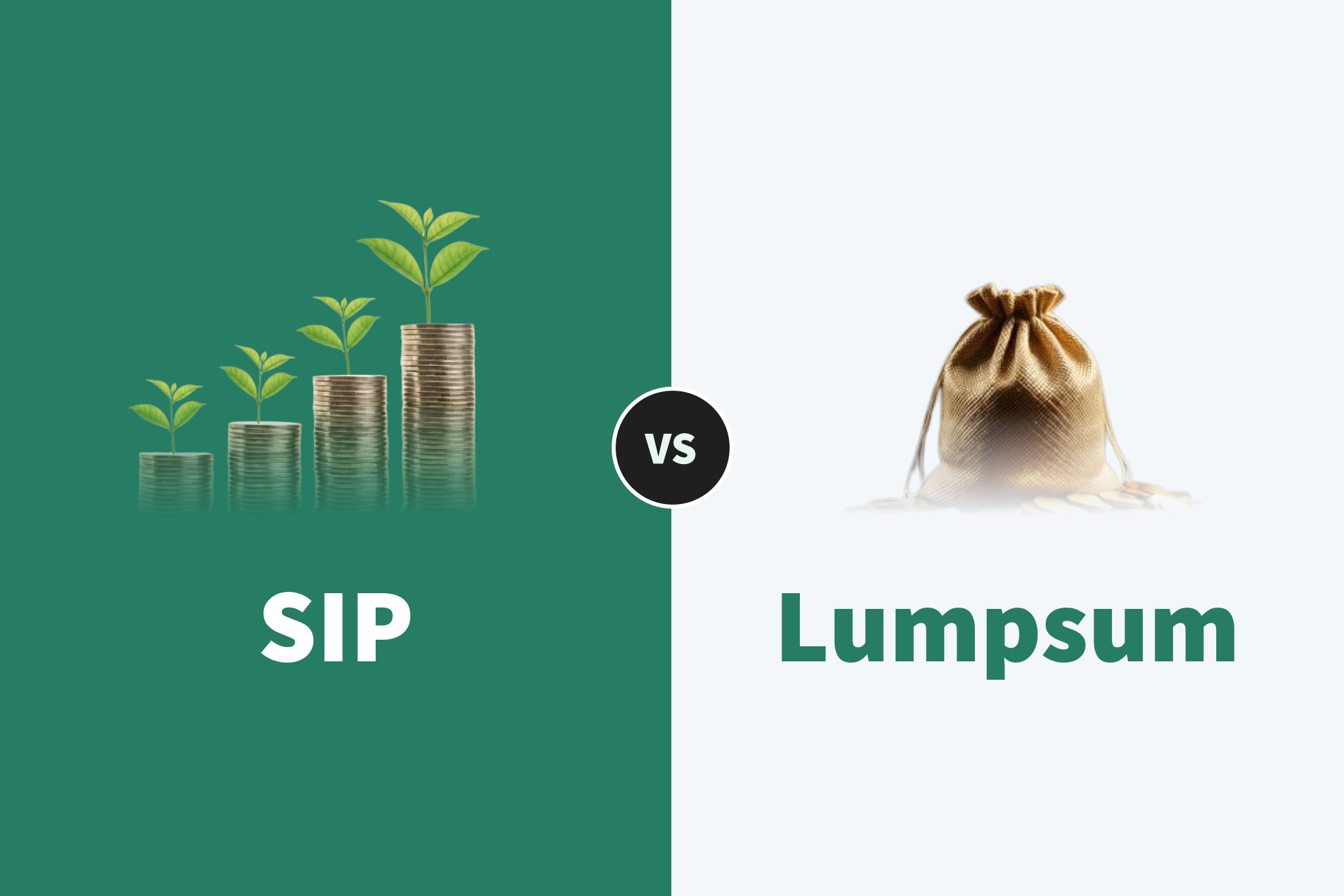
If you’re comparing SIP vs Lump Sum Pune investment options, you’re asking one of the most common questions among Indian investors today. Both approaches let you invest in mutual funds, but they work very differently. Choosing the right one depends on your income pattern, risk appetite, and financial goals. This guide compares both strategies clearly, so you can decide what fits your situation in 2026.
Whether you have a large sum ready to invest or prefer investing gradually, this article will help you understand the pros, cons, and practical use cases of each approach.
What Is SIP Investment?
A Systematic Investment Plan, or SIP, allows you to invest a fixed amount in a mutual fund at regular intervals, usually monthly. Instead of investing everything at once, your money enters the market gradually. As a result, SIPs reduce the impact of short-term market volatility.
For instance, instead of investing ₹1,20,000 in one go, you could invest ₹10,000 every month for a year. This method is called rupee cost averaging, and it helps smooth out the highs and lows of the market.
What Is Lump Sum Investment?
Lump sum investment means investing a large amount in a mutual fund all at once. Therefore, your entire investment starts earning returns from day one, rather than being spread out over time.
This approach works well when you have a windfall, such as a bonus, inheritance, or matured fixed deposit, and want to invest it immediately. However, it also means your full investment is exposed to market conditions right away.
SIP vs Lump Sum: Key Differences
Understanding the core differences can help you choose more confidently. Here’s a side-by-side comparison:
Factor | SIP | Lump Sum |
Investment style | Regular, smaller amounts | One-time, larger amount |
Market timing risk | Lower, due to averaging | Higher, depends on entry point |
Best suited for | Salaried individuals | Investors with surplus funds |
Discipline required | Automatic and structured | Requires manual timing decisions |
Emotional stress | Lower | Can be higher during market dips |
Ideal market condition | Volatile or uncertain markets | Rising or bullish markets |
1. Risk Exposure
Since SIPs spread your investment over time, they naturally reduce the risk of investing everything at a market peak. Lump sum investments, on the other hand, carry higher risk if the market falls shortly after you invest.
2. Returns Potential
In consistently rising markets, lump sum investments can outperform SIPs because the entire amount benefits from growth immediately. However, in volatile or falling markets, SIPs often perform better due to averaging.
3. Convenience and Discipline
SIPs are automated, so they suit investors who want a hands-off, disciplined approach. Conversely, lump sum investing requires more active decision-making about market timing.
4. Cash Flow Suitability
If you receive a steady monthly income, SIPs align naturally with your cash flow. Meanwhile, lump sum investing suits situations where you receive a one-time large amount.
When Should You Choose SIP?
SIP investment works best in the following situations:
- You have a regular monthly income and want to invest consistently.
- You’re a first-time investor and prefer a lower-risk entry into mutual funds.
- You want to build long-term wealth through disciplined investing.
- You’re unsure about market timing and prefer automated investing.
Because SIPs reduce emotional decision-making, they’re often recommended for beginners and long-term goal planning, such as retirement or a child’s education.
When Should You Choose Lump Sum?
Lump sum investment may suit you better if:
- You have a large amount of idle money, such as a bonus or maturity payout.
- You have strong conviction about entering the market at a favorable time.
- You have a higher risk tolerance and a longer investment horizon.
- You’ve already researched the fund and market conditions thoroughly.
That said, timing the market accurately is difficult even for experienced investors. Therefore, many financial advisors recommend a hybrid approach for lump sum amounts.
A Smarter Alternative: Systematic Transfer Plan (STP)
If you have a lump sum but want to reduce timing risk, a Systematic Transfer Plan can help. With an STP, you invest your lump sum in a low-risk debt fund first. Then, a fixed amount is transferred periodically into an equity fund, similar to a SIP.
This strategy combines the safety of gradual investing with the benefit of putting your money to work immediately. As a result, STPs are increasingly popular among Pune investors handling large payouts.
SIP vs Lump Sum: Which Performs Better Historically?
Historical data shows mixed results, depending on market cycles. In consistently rising markets, lump sum investments often outperform SIPs. However, in markets with frequent ups and downs, SIPs tend to reduce risk and smooth out returns.
It’s important to remember that past performance doesn’t guarantee future results. Consequently, your decision should depend more on your personal financial situation than on historical trends alone.
Why Local Expertise Matters for Pune Investors
Pune’s investor base includes IT professionals, business owners, and salaried employees, each with different income patterns and financial goals. Therefore, a one-size-fits-all investment strategy rarely works well.
At Bigbuck, our advisors assess your income stability, financial goals, and risk appetite before recommending SIP, lump sum, or a combination of both. Because every investor’s situation is unique, we focus on personalized strategies rather than generic advice.
Common Mistakes to Avoid
- Choosing lump sum based on emotion: Investing a large amount during market euphoria can increase risk significantly.
- Stopping SIPs during downturns: This defeats the purpose of rupee cost averaging.
- Ignoring your cash flow pattern: Your investment style should match how your income arrives.
- Skipping professional advice: A qualified advisor can help balance risk and opportunity effectively.
Conclusion
When comparing SIP vs Lump Sum Pune investment options, there’s no universal right answer. SIPs suit investors who prefer discipline, lower risk, and regular investing. Lump sum investments suit those with surplus funds and higher risk tolerance. In many cases, a combination of both, or a Systematic Transfer Plan, offers the best of both worlds. Before deciding, consider speaking with a trusted financial advisor who understands your specific goals and Pune’s local investment landscape.
Frequently Asked Questions (FAQs)
- What is the difference between SIP and lump sum investment? SIP involves investing fixed amounts regularly, while lump sum investment means investing a large amount all at once.
- Which is better, SIP or lump sum, for Pune investors? It depends on your income pattern and risk appetite. SIPs suit regular income earners, while lump sum suits those with surplus funds.
- Is SIP safer than lump sum investment? Generally, yes. SIPs reduce market timing risk through rupee cost averaging, making them safer for most beginners.
- Can I switch from SIP to lump sum later? Yes. You can start with a SIP and later add lump sum investments as your financial situation changes.
- What is a Systematic Transfer Plan (STP)? An STP allows you to invest a lump sum in a debt fund first, then transfer it gradually into an equity fund, reducing timing risk.
- Does lump sum investment give higher returns than SIP? In consistently rising markets, lump sum can outperform SIP. However, in volatile markets, SIPs often perform more consistently.
- How much money is needed for lump sum investment? There’s no fixed minimum, but lump sum investments typically involve a larger one-time amount compared to SIP contributions.
- Is SIP suitable for short-term goals? SIPs are generally better suited for medium to long-term goals rather than very short-term investment horizons.
- Can beginners start with lump sum investment? Beginners can start with lump sum investment, but it carries higher market timing risk compared to SIP.
- How do I decide between SIP and lump sum? Consider your income stability, risk tolerance, and financial goals. A financial advisor can help you decide based on your specific situation.
- Are SIP and lump sum returns taxed differently? Tax treatment depends on the type of mutual fund and holding period, not the investment method itself.
- Can I invest in both SIP and lump sum simultaneously? Yes. Many investors combine both strategies to balance risk and take advantage of market opportunities.
- What happens if I invest lump sum right before a market fall? Your investment value may decline in the short term, though it may recover over a longer investment horizon.
- Is SIP better for salaried employees in Pune? Yes. SIPs align well with monthly income, making them convenient and disciplined for salaried professionals.
- Where can I get expert advice on SIP vs lump sum investment in Pune? You can consult a certified financial advisor at Bigbuck by calling 090280 05502 for personalized investment guidance.
BIGBUCKS FINANCIAL SERVICES PRIVATE LIMITED
Established in 2010 and incorporated as a Private Limited company in 2021, BigBucks Financial Services Pvt. Ltd. proudly serves 4,400+ clients globally, managing ₹533 Cr+ AUM and a ₹6.5 Cr SIP book with trusted financial solutions.
Our Services